
There are many health benefits associated with watermelon and it can be very beneficial during pregnancy. Traditionally, this fruit was thought of as a long standing member at traditional summertime barbeques. Now days, watermelon is used in many different recipes including salads, sauces, smoothies, sorbets, and other types of desserts.
Watermelon is a good source of Vitamin C, vitamin A, vitamin B6, potassium and magnesium. A one cup serving of this fruit is less than 50 calories. When selecting a watermelon to purchase, make sure that it is heavy in weight and that the rind is smooth. It shouldn’t be too dull or too glossy and there should be a cream or yellow colored spot on one side. This represents the side that was resting on the ground. If it doesn’t have that underbelly color it may have been harvested too soon and the fruit won’t be as juicy or tasteful.
“If you're pregnant, the benefits are even more delicious. Watermelon eases heartburn and reduces swelling; its high water content (92 percent) and fruit sugars alleviate morning sickness and dehydration; and the minerals it contains can help prevent third-trimester muscle cramps. Ounce for ounce, watermelon is richer than tomatoes in lycopene, an antioxidant that protects against cancer and cardiovascular disease, boosts the body's immunity to infections and naturally raises the skin's SPF, according to Steven Pratt, M.D., author of SuperFoods Rx (HarperCollins, 2003).”
Fit Pregnancy reports, “A 2003 study in the International Journal of Gynecology and Obstetrics found that daily lycopene supplements reduced the incidence of preeclampsia by 50 percent. Test subjects were given 4 milligrams of lycopene; a single serving of watermelon can have triple that amount.”
Every Wednesday will be a new article in my “Fruits and Vegetable” series. Each week will feature a different fruit or vegetable. It will discuss the health benefits and offer simple tips to help you achieve your healthy living goals.Thanks to this site.
Everyone agrees that having a baby changes one's life forever in a number of different ways. One way is that the mother is now putting the baby's needs in front of her own, especially when it comes to sleep, feeding, and time. Most new moms want to get back to their pre-pregnancy weight, but may not have the time or energy to devote to an exercise program like they did before they got pregnant. Be sure to get physician's clearance to exercise (often time is 6 weeks post-partum, longer if there was a C-section).
Below are some simple, practical, yet effective tips to help new moms lose the pregnancy weight:
- Strength train 2-3x/wk. It only has to be 10-15 minutes with full body moves. Squats, push-ups, standing lunges, crunches, shoulder press, tricep dips are exercises that can be done at home with minimal or no equipment.
- Get outside! Get the stroller or baby jogger and start with 10-15 minutes of walking or easy walk/jog intervals (i.e. warm up, 5x2 min jog alternate with 2 min walk, cool down) Cardio can be done 3-5 times a week.
- Look into mom-baby exercise classes, such as StrollerFit, Moxie Moms, and post-partum classes at the nearest fitness facility.
- Nutrition. It may seem easier to just grab for the first thing in the pantry for quick energy, but try to focus eating healthy, unprocessed food. Eating a sound nutritional diet (including not skipping breakfast) will increase energy and help with weight loss.
The key is setting a small goal each day, for example, today may be 10 minutes of strength training, tomorrow is a walk, the next day is drinking enough water, etc. Remember that even 10 minutes a day is better than nothing!
Happy Training!
When you’re pregnant, your baby’s sole source of nourishment is you. What you eat dramatically impacts his growth, weight, brain and organ development. While you need about 300 extra calories a day to help sustain your pregnancy (more if you’re expecting multiples), don’t use them up on junk food. Make the most of every morsel so you and your baby can thrive.
List
Protein: To foster your baby’s cell growth and blood supply, eat lean cuts of red meat or poultry, eggs, peanut butter and beans.
Carbohydrates: Found primarily in starchy foods like breads, pastas, cereals and potatoes as well as fruits and vegetables, carbohydrates give both you and your baby energy. Many are also fortified with folic acid, a vitamin that helps prevent certain devastating birth defects, like spina bifida. Your obstetrician may recommend a folic acid supplement.
Calcium: You know calcium is important to keep your teeth and bones healthy. The same is true for your developing baby. Calcium also helps your baby’s nerves and muscles form. Yogurt, milk, cheese, spinach, salmon and sardines (munch on the bones, too); all are all good sources of the mineral. Look for calcium-fortified foods, including juices, breads and waffles.
Iron: This vital nutrient helps your baby develop his red blood cells. Iron-rich foods include red meats, spinach, fortified cereals and breads.
Vitamins A Through D: Vitamin A, found in carrots and other orange-colored fruits and vegetables, is important for healthy skin and eye development. Vitamin C—found in citrus fruits, tomatoes and fortified juices—helps build teeth and gums. The B vitamins, such as B6 and B12, are important for the formation of red blood cells and are found in meats, fish and some grains. Vitamin D—available in fortified milk, dairy products and grains—helps your baby absorb calcium.
Fat: Go ahead, bite into a big juicy steak washed down with a glass of whole milk. Fat gives you and your baby energy. Just don’t overdo; keep fat intake to about 30 percent of your daily calories. Donna Christiano is an award-winning free-lance journalist who has written extensively on women's and children's health for many consumer magazines, including Woman's Day, Parents, Weight Watchers and others. Donna has also served on the staffs of Glamour and Bride's magazines. She tries to live a healthy and strong life in New Jersey with her husband and two children.
Source

We still have two more months of summer, which means many more days of sweltering heat.
Tack on an extra 20 to 40 pounds, and good luck staying comfortable.
Kara Menard is no stranger to motherhood. She's one month away from welcoming baby number four into the world.
"We're looking at July 29," Kara said.
But this go round, she said pregnancy feels different.
"The heat has really affected the pregnancy, just with errands and going outside and bringing other children outside," Kara said.
Nurse practitioner Tammy Gillett said the rise in mercury is something that makes pregnant women like Menard much more vulnerable to heat-related illnesses.
"The biggest complaints we get in the summertime is dizziness, lightheaded, they don't feel good, pre-term labor and that's from dehydration," OBGYN nurse practitioner Tammy Gillett said.
During pregnancy, women should drink at least eight cups of water each day, and when it comes to staying cool and comfortable, that added baby weight can make even the most simple tasks unbearable on a hot day.
"You increase your metabolism, your heart rate goes up and you are already carrying an extra 1,200 c.c.'s of volume, which brings your core temperature up to about 99 to begin with and then in the summer months, it will bring the heat up even more, and so you feel more exhausted and miserable," Gillett said.
When it comes to your diet, pregnancy-induced hypertension often times comes along with poor food choices when the temperatures rise.
"People have a tendency to eat a little more salt than usual because they're dehydrated, they don't drink as much as they should and they'll come in at the end with elevated blood pressure," Gillett said.
Now, with just a few more weeks until the little one is born, Kara is making some summertime changes to keep herself and baby healthy.
"I realize I need to stay inside more and take a nap and not worry about outside very much, but it is frustrating," Kara said. "I was excited about the summer and then now we have to stay in most of the time."
Big thanks to this site.
BIRTH Lounge launches the first ever antenatal workshop for pregnant women in Kerala on July 5 at the Harbour View Residency. The problem of being overweight or underweight during pregnancy is one that affects many expectant mothers.
Research proves that what the mother eats in the nine months can impact the baby’s health, as well as her own, for decades to come. Priyanka Idicula, Lamaze certified international child birth educator, brings nutrition strategies to life by showing how a mother can avoid excessive calories but eat well and take in all the required nutrients necessary for the growth of the child.Relaxation and confidence are essential for a positive pregnancy and birthing experience.
The participation and encouragement of a partner also helps to ease discomfort and aids smooth labour and delivery. Partners who take an active role during pregnancy will also cultivate a deeper connection with the child. In this holistic workshop, expectant mothers will learn how to stay in shape during pregnancy, as well as stay on top of the changes in their bodies.Tips on how one should prepare and achieve normal birth will be discussed. Many old wives’ tales/myths / horror stories will be cleared. Expectant couples get to meet other couples, and many go on to form play groups and lifelong friendships with those they meet. Whether it’s a healthier pregnancy, increased knowledge, reduced anxiety, or a greater closeness with the labour partner, this birthing class is one that will surely leave one confident and relaxed. For further registrations, contact birth lounge at 989528319.
Source
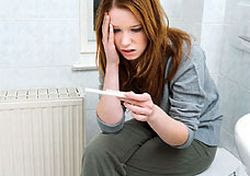
Methodist Hospital PsychoTherapist Mary Jo Rapini says kids tend to have less structure and supervision in the summertime and more time on their hands. She also says girls who feel alone this summer, isolated or who don't feel close to their parents are more likely to get pregnant.
Rapini says a simple way to keep your child from becoming a parent before they are ready is to get and stay involved in their lives. She says parents who share their lives with their children and who show interest in their kids lives are less likely to have a teen who becomes a parent.
Rapini encourages parents to have open dialogue about sex and the consequences that come with it.
Texas has the fifth highest teen pregnancy rate in the country. Rapini has many more tips on her website www.maryjorapini.com . Including 70 things you can do instead of having sex in a committed relationship.
Rapini is the co-author of "Start Talking: A Girl's Guide For You & Your Mom About Sex, Health or Whatever."
Rapini encourages parents to use things like books, articles or TV reports to launch conversations with their kids on a daily basis.
Source

During pregnancy it's completely natural to worry about your baby and your body. In fact, there's probably not much else on your mind!
You'll experience a range of emotions including excitement, impatience and sometimes nerves and anxiety. Getting stressed out isn't good for you, so we've got experts to answer your most common questions throughout the whole of your pregnancy - so if you're at the early stages remember to come back later.

ALTHOUGH I still have to be on bed rest, I am looking forward to hitting my second trimester. Hopefully the dizziness, grouchiness, and sluggishness I’m feeling will slowly disappear.
At the moment, I can’t even seem to want to brush my hair. The only thing that seems inviting is to soak in the tub to ward off the unbearable heat, which seems to be radiating from my body. Now I know why they say every pregnancy is different.
A few weeks back, I was with my son in Powerplant and bumped into Daphne Oseña-Paez. It was only after five minutes of chatting that I noticed she was pregnant. But she looked so good!
It also surprised me to find out she was on her third trimester. I asked her to share five pampering tips for pregnant women since I know we sometimes need help in taking care of ourselves at this delicate time.
Here’s what Daphne shared:
Get a pedicure. An occasional pedicure won’t hurt. But stay away from foot spas, since they can trigger contractions. It’s best to bring your own pedicure gadgets so you are sure the items are clean. Since you will most likely wear flats and open-toed shoes for a few months, having pretty toes can really be a boost.
Have your hair shampooed and blow-dried at a salon. Pregnant women should stay away from chemical treatments and hair-dyes. In order to feel glamorous or, at least, neat, I have been treating myself to regular washes and blowouts at the salon, in the process discovering some inexpensive neighborhood places. Sometimes I bring my own shampoo, conditioner and brushes to ensure quality and hygiene.
The service? Not bad for P150.
When I’m due for a major function or appearance, I head to Emphasis Salon.
Go for regular facial cleaning with a dermatologist. Just because you’re pregnant doesn’t mean you should forget about skin care. There are creams and ointments that are forbidden for pregnant women, such as retinoic acid and other whitening products. Given the hormonal imbalance that can cause breakouts and darkening, a visit to a dermatologist can help.
I haven’t stopped going for monthly cleaning with my dermatologist, Doctor Gilbert Yang. No lasers and fancy creams for me; he just cleans my pores and clears away whiteheads. When my skin gets too dry, I apply Olay Total Effects.
Slather on tummy cream. I don’t believe any cream or oil can totally eradicate the stretch marks. But some products can give relief from dryness and itchiness (scratching eventually might cause scars).
During my first two pregnancies, I splurged on Clarins Tonic Oil. I didn’t get any stretch marks. For this pregnancy, I’ve discovered a more budget-friendly solution to my dry and itchy growing tummy: Palmer’s Organics Tummy Butter for Stretch Marks. It’s one-fifth cheaper than Clarins Tonic Oil. It has Vitamin E, collagen, elastin and soothing lavender, and it’s paraben-free and mineral oil-free. I get the same relief at a much lower price. And I love the smell.
Wear makeup and get dressed up. I was in a rut during my first trimester. All I wanted to do was lie in bed like a sloth. But because I had to continue working (as host of “Urban Zone”), I had to get dolled up at least once a week. I had to wear nice outfits and full makeup.
For those who don’t work in front of the camera, I highly suggest you make an effort to look good. Even minimal makeup can boost your mood and self-image. Put on some lip gloss and blush. Or if you want to go the extra mile, play with eye makeup.
Now is also the time to enjoy fashion. There are a lot of non-maternity clothes available off-the-rack, and these can take you up to your 40th week.
Source

Rumor has it, Nicole Richie has decided on a name for the baby boy she is carrying. According to sources close to the expectant celebrity socialite and her partner Joel

"When she heard Donald
Nicole
Earlier this month, there were reports saying the celebrity couple is expecting a son after their friends allegedly claimed to have seen them buying blue-colored baby gear. When asked to verify the story during "Larry King Live" on Thursday, May 28, Nicole said, "We want the surprise ..... I'll get the clothes after."
Source

There is something fascinating about twins and many women long for a twin pregnancy. In recent years, the number of women having a twin pregnancy or even higher types of multiple pregnancies such as sextuplets has increased. This is due to a large number of reasons. Many women simply want to have a twin pregnancy so that they do not need to have another pregnancy to produce a sibling for an only child. The trauma of birth is often something that many women feel that they only want to go through once and having twins would be the perfect answer.
Twins do hold a particular fascination for a lot of people and a lot of research has been done into how a woman can increase the chances of her having a twin pregnancy. Some of the results are fairly unusual. For instance, the mother's diet may influence whether she has a higher chance of a twin pregnancy. There are more twins in certain cultures and one of these is a tribe where they eat a lot of yams. So, there is a theory that it is a certain chemical in the yams that helps the women in this culture have a twin pregnancy. Obviously, the mother needs to eat re than just yams to have a healthy pregnancy but it is an interesting theory that she may want to consider if she wants a twin pregnancy.
If a woman is breastfeeding when she conceives then she is more likely to have a twin pregnancy than women who were not breastfeeding. The breastfeeding causes a reduction in the amount of calcium in the woman's system and this has an effect on the egg during conception and ovulation can increase the chances of her having a twin pregnancy.
Older women are more likely to have a twin pregnancy. There is an increased ovulation of multiple eggs in older women and this can lead to a higher chance of the woman having a twin pregnancy. Fertility treatments can also lead to an increased chance of multiple pregnancies. It is also evident that women from African backgrounds are more likely to have pregnancies that are twins or more.
There used to be a theory that twins actually skipped a generation but now it is widely believed that a twin is more likely to have a twin pregnancy themselves. Obviously, this is genetic, but it is another point to consider if you are a twin and want to become pregnant. Similarly, if your family history or that of your partner's has a lot of twins then there is an increased chance that you will have a twin pregnancy too.

There are various types of pregnancy due date calculator that health professionals can use to determine the due date of a baby. In the very early stages of a pregnancy the most frequently used types of pregnancy due date calculator involve using the date that a woman had her last menstrual cycle and the usual length of her period. This type of pregnancy due date calculator is only a rough estimator of when a baby is actually due. A number of factors make this type of pregnancy due date calculator being less than accurate. The most important factor is using this form of pregnancy due date calculator is that a woman needs to know the date of her last period. If she has missed more than one menstrual cycle before she thinks that she may be pregnant then her accurate recollection of the date of her last menstrual cycle is not very reliable. A woman may not have a period or may suffer from irregular menstrual cycles and this makes the date of her last period even less accurate for the pregnancy due date calculator.
The pregnancy due date calculator not only works with the inaccurate information provided about the date of a woman's last menstrual cycle but also assumes that every woman has a menstrual cycle of 28 days. This means that in the early stages of pregnancy a pregnancy due date calculator can only used to produce an estimated due date for the baby. Of course, your health professional will use this type of pregnancy due date calculator in the initial stages of your pregnancy to give a general timeline for the pregnancy but it is important to remember that the estimated due date given can be extremely inaccurate.
After approximately ten weeks a woman is usually given a scan to help more accurately assess the length of the pregnancy. The size of the growing foetus can be used from these ultrasound scans to provide various measurements which are used in a pregnancy due date calculator to determine the estimated due date more accurately. For example, the length of the foetus and the size of its head at various stages throughout the pregnancy are measured and these provide more accurate figures for a pregnancy due date calculator to be able to predict the date of birth. This is because a foetus grows at a predicted rate and it is by using these measurements that a pregnancy due date calculator can give the woman the best estimate as to when her baby is due.
Blood tests that measure that amount of hCG in a woman's blood can also be used by a pregnancy due date calculator. Blood and ultrasound results are the best sources of data for a pregnancy due date calculator and are likely to provide a much more accurate due date compared to any type of pregnancy due date calculator based solely on a woman's previous menstrual period.


